
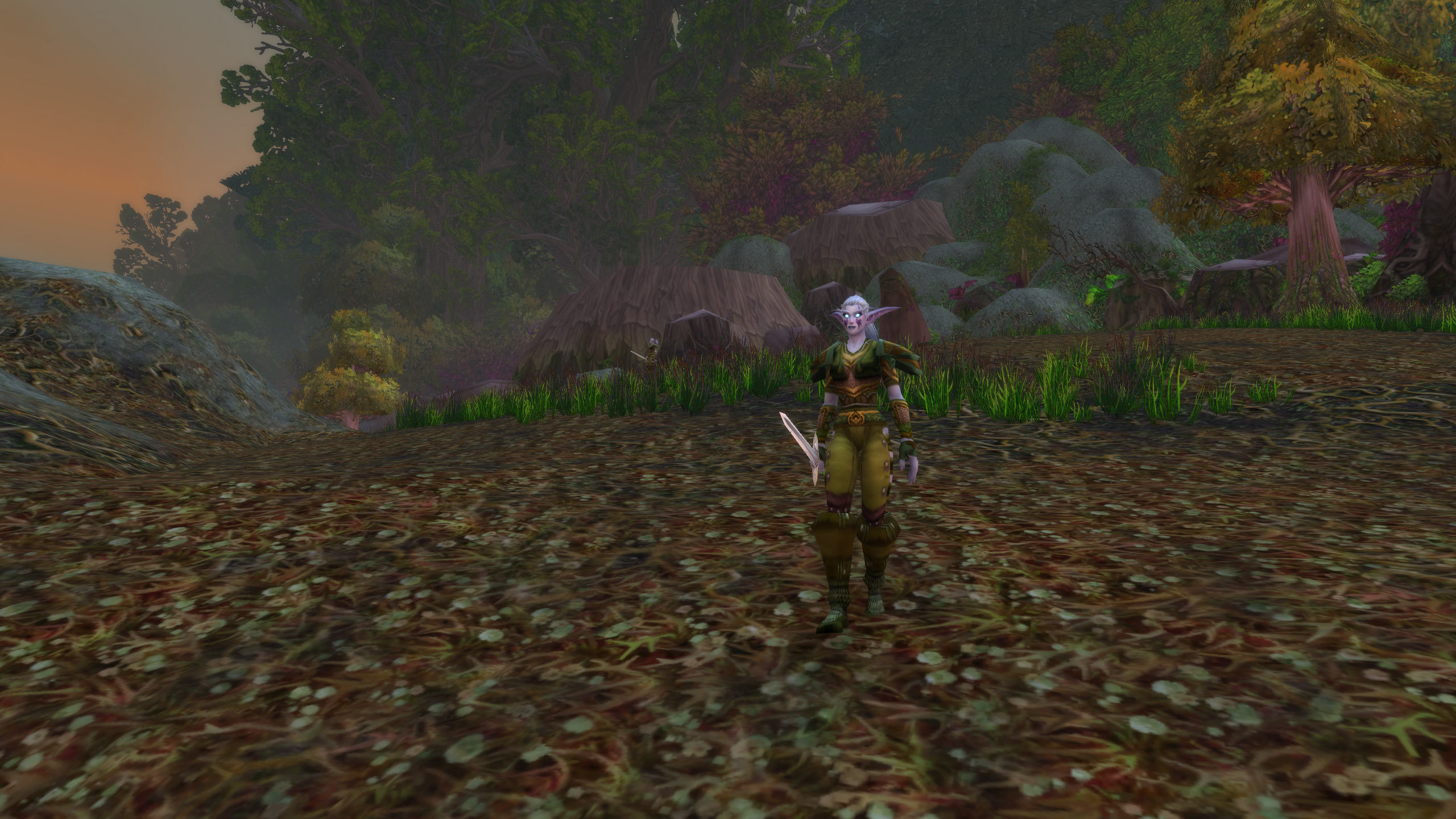
Music has always shaped the emotional foundation of the world. Long before players understand a zone’s history or its storylines, the soundtrack communicates mood, culture, and atmosphere. Through sweeping orchestrations, subtle instrument choices, and evolving musical motifs, the soundtrack guides emotional experience with remarkable precision. It carries players through triumph, sorrow, tension, and wonder without saying a single word.
This article explores how the game’s music creates powerful emotional moments, turning landscapes, characters, and conflicts into unforgettable experiences.

Setting the Emotional Tone Before the Story Begins
A zone’s soundtrack is often the first narrative cue a player hears. The gentle strings of Elwynn Forest, the haunting echoes of Icecrown, the warm percussion of Pandaria — these themes inform players how to feel before any quest is accepted. Music establishes mood with immediacy, letting players sense danger, comfort, or mystery without needing context.
Emotion begins with sound long before it begins with dialogue.
Musical Identity Across Expansions
Each expansion carries its own musical philosophy. Themes evolve as the world changes, reflecting new cultural influences, emotional journeys, and narrative tones. Some expansions rely on sweeping orchestral pieces to convey grandeur, while others use minimalism to create introspective or unsettling atmospheres. These differences are not random — they mirror the emotional arc of each era.
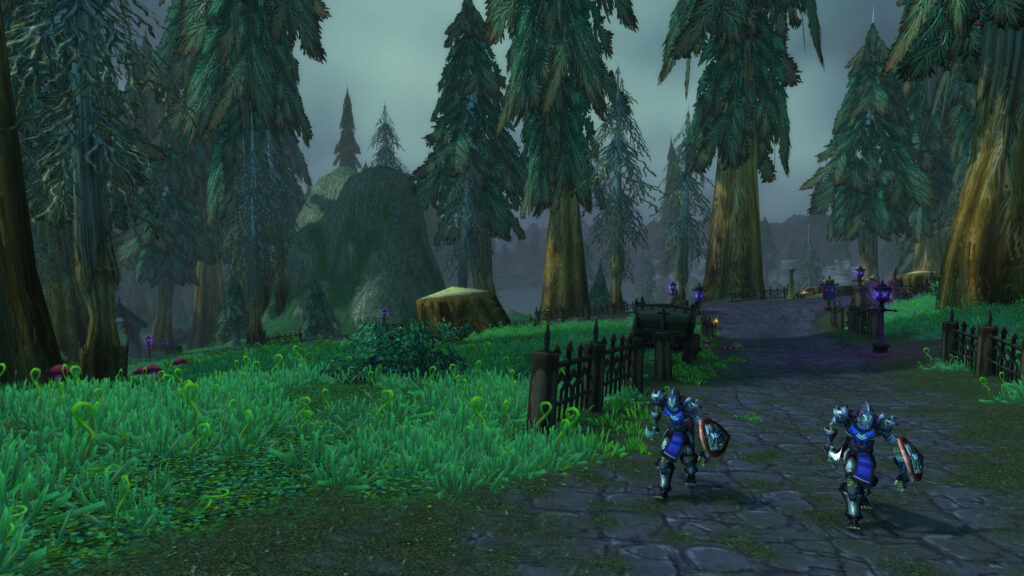
To illustrate this evolution, here is a brief comparison:
| Expansion | Musical Style | Emotional Tone |
|---|---|---|
| Wrath of the Lich King | Choirs, cold strings | Sorrow, destiny, heroism |
| Mists of Pandaria | Traditional instruments | Serenity, culture, inner conflict |
| Legion | Heavy percussion, choral tension | Siege, desperation, cosmic threat |
| Shadowlands | Fragmented motifs, eerie harmonics | Judgment, loss, uncertainty |
| Dragonflight | Majestic themes, bright orchestration | Renewal, exploration, rediscovery |
How Music Enhances Atmosphere Without Interrupting Gameplay
Unlike many soundtracks that dominate the space, the music blends seamlessly with exploration. Themes rise and fall naturally, shifting based on player movement and environmental triggers. This fluidity allows music to enhance immersion rather than distract from it. Players rarely notice how perfectly the soundtrack complements the world — precisely because it is designed to feel intuitive rather than intrusive.
The best soundtrack is the one players feel without realizing why.
Emotional Memory and Musical Nostalgia
Music binds memory to experience. A few notes from Grizzly Hills can bring players back to their first campfire in the snow. The chords of Stormwind remind veterans of early adventures, while the eerie hush of Duskwood recalls nights spent leveling in fear. Soundtracks preserve these moments, turning them into nostalgic anchors that linger for years.
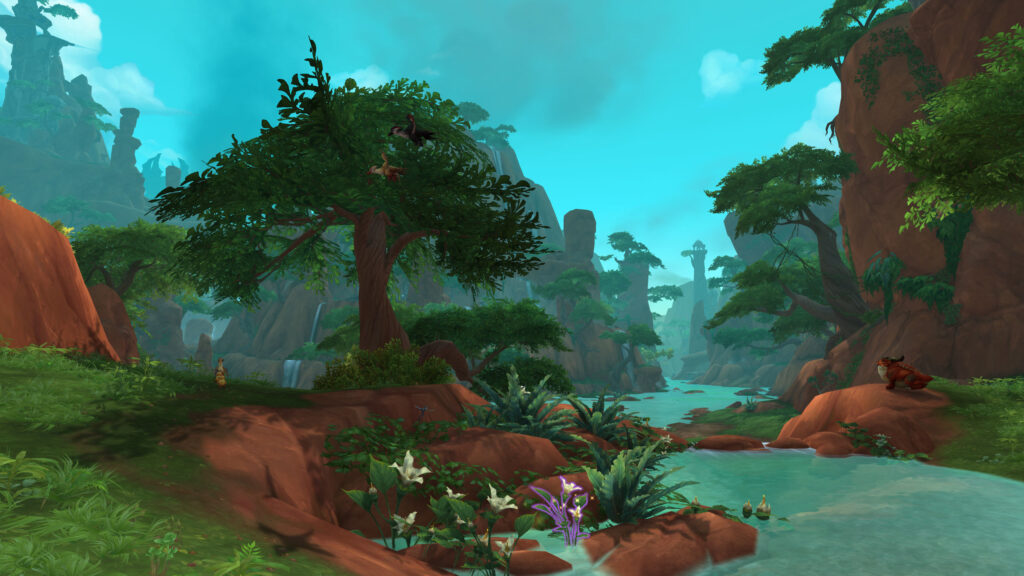
Music becomes the emotional archive of the player’s journey.
Why the Soundtrack Remains Core to the Experience
The soundtrack is a form of storytelling that transcends words. It bridges visual design, emotional tone, and narrative arcs into one cohesive experience. Even during quiet moments with no dialogue or combat, the music conveys meaning. Without it, many zones, encounters, and story beats would lose their emotional weight.
Music reveals what words cannot express.
Conclusion

The soundtrack creates emotion without words by shaping mood, memory, and atmosphere. Through careful composition, thematic consistency, and emotional resonance, the music enhances every moment of the journey. It turns landscapes into experiences and memories into melodies, ensuring that the world’s emotional core is carried through each note players encounter.
Leave a Reply