
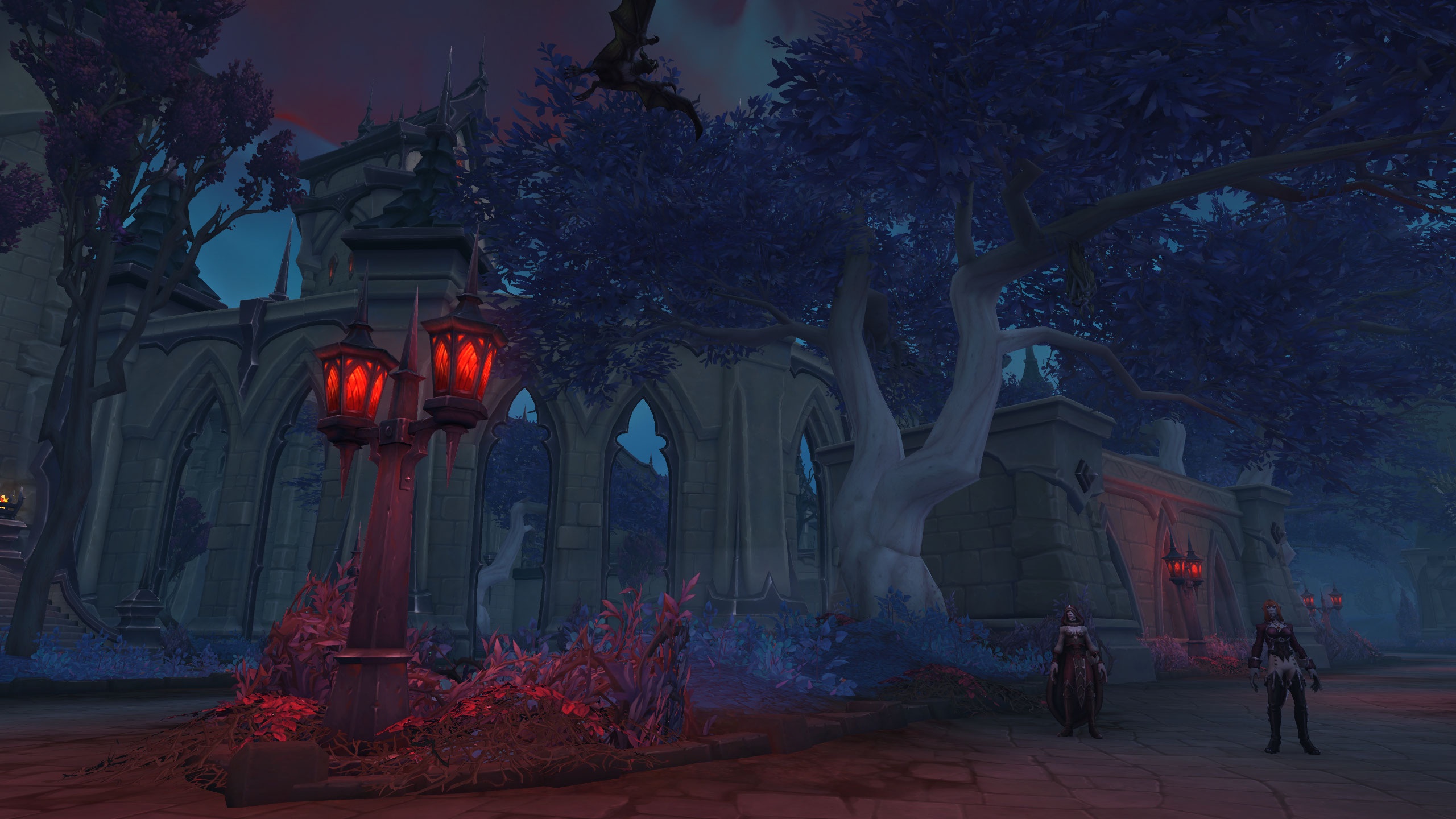
Introduction: From Pixels to High Definition
Since its launch in 2004, World of Warcraft (WoW) has been at the forefront of graphical innovation in MMORPGs. Over the years, the game’s graphics have evolved, adapting to new technologies, player expectations, and creative visions. From the relatively simple textures and models in the early days to the breathtaking visuals of the modern game, WoW’s evolution is a testament to the capabilities of both its developers and the gaming hardware of each era. In this article, we’ll take a journey through WoW’s visual history, showcasing how the game has transformed over time.
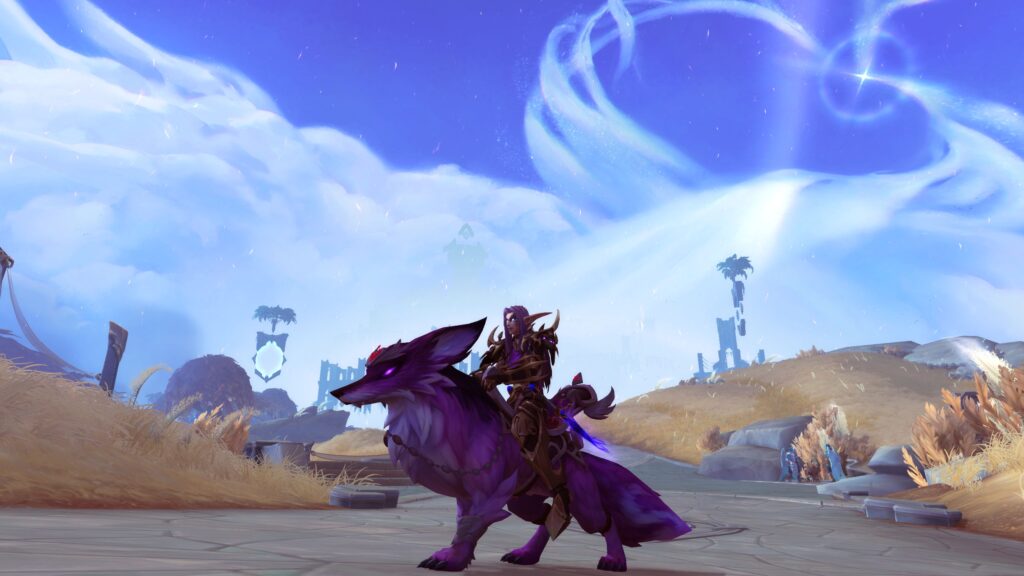
The Early Days: Simple Graphics, Immersive World
In its early years, WoW’s graphics were relatively simple compared to today’s standards. The game featured bright, cartoony designs that helped it run smoothly on a wide variety of hardware. Despite these limitations, the game was still incredibly immersive, with a vast world to explore and vibrant environments that felt alive.
Graphics in the Classic Era (2004-2006)
When World of Warcraft first launched, the game used a relatively simple art style. Models were blocky, textures were flat, and animations were basic. However, this didn’t detract from the experience. Azeroth still felt rich with detail, and the emphasis on exploration and adventure captured players’ imaginations. The simplicity of the design allowed for a wide appeal, and players could immerse themselves in the world without needing cutting-edge graphics hardware.
Classic WoW Graphics Features
- Bright and bold colors – This helped create a visually distinct world full of character and charm.
- Basic textures and low-polygon models – These kept the game accessible to a wide range of PCs but limited visual detail.
- Limited environmental effects – Water effects and weather were simplistic but still impressive for the time.
Graphical Enhancements: Burning Crusade and Beyond
With the release of the Burning Crusade expansion in 2007, WoW began to see more detailed and refined graphics. This expansion introduced new zones, such as Outland, with more intricate environments and enhanced visual effects. The addition of new character models, textures, and lighting effects created a more immersive experience, signaling the beginning of a shift towards higher-quality visuals.
Improvements in the Burning Crusade Era
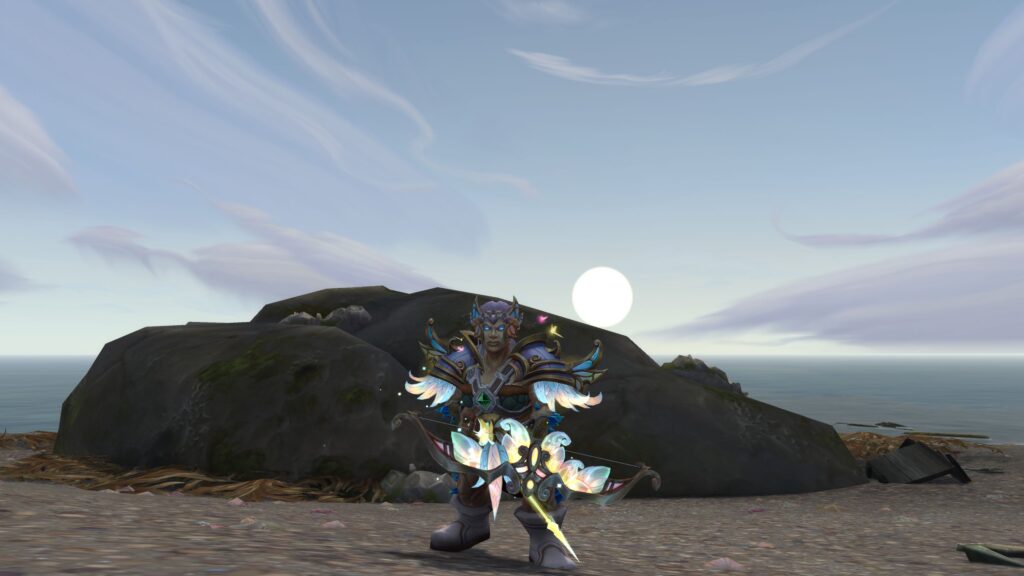
While WoW’s core graphical style remained consistent, the Burning Crusade introduced new character models, animations, and a broader range of visual effects. Lighting, shadows, and reflections were more realistic, and the environmental design felt more dynamic and immersive. The game still retained its bright, stylized aesthetic, but with added depth and complexity.
Notable Graphics Changes
| Feature | Impact | Example |
|---|---|---|
| Character Models | New models made characters look more detailed and realistic | New High Elf model in Silvermoon |
| Environmental Design | Outland’s unique landscapes and glowing effects stood out | The Hellfire Peninsula’s orange glow |
| Lighting and Effects | Added atmosphere to areas, improving immersion | New lighting effects in dungeons and zones |
Wrath of the Lich King: The Rise of Realism
With Wrath of the Lich King (2008), WoW’s graphics saw another major leap. This expansion featured one of the most iconic villains in gaming history, the Lich King, and the environments reflected the darker, more serious tone of the expansion. Icecrown Citadel and the surrounding areas featured more detailed textures, improved lighting effects, and much more intricate character and creature designs.
Advanced Features in Wrath of the Lich King
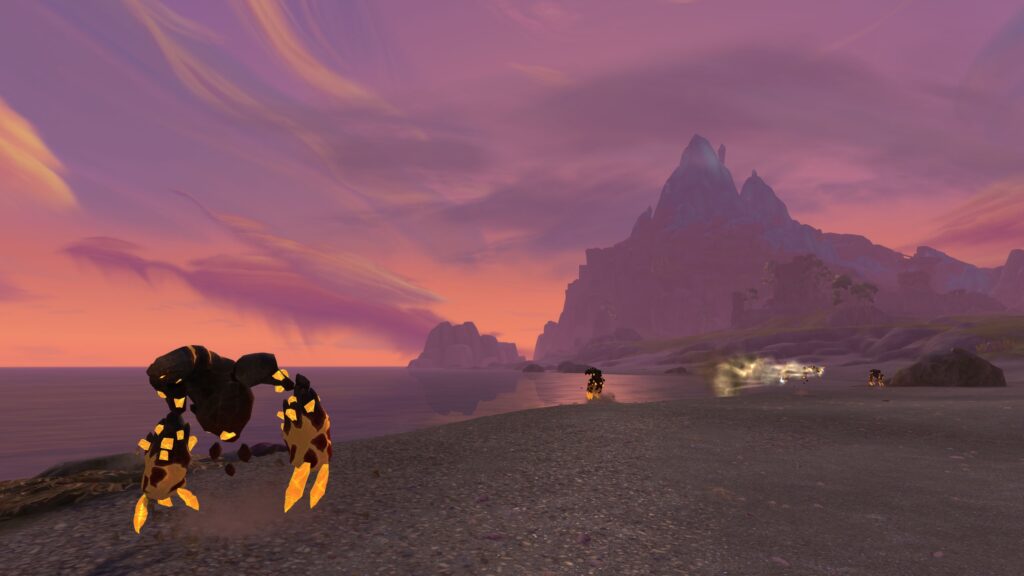
In Wrath of the Lich King, Blizzard began to experiment with more advanced graphical effects, such as dynamic weather and improved particle effects. The snowstorms of Northrend, the icy glow of Icecrown, and the atmosphere of the dungeon environments were all enhanced to make the world feel more alive. The use of reflections, detailed textures, and improved character animations raised the game’s visuals to a new standard.
Notable Features in Wrath of the Lich King
- Real-time shadows – Characters and environments cast dynamic shadows, enhancing realism.
- Snow effects and weather – Blizzard incorporated dynamic weather effects that added realism to zones like Storm Peaks and Icecrown.
- Improved creature designs – Models became more detailed and reflected the expansion’s darker themes.
Modern WoW Graphics: High Definition and Beyond
In recent years, WoW’s graphics have undergone a complete overhaul to bring the game up to modern standards. With expansions like Legion (2016) and Battle for Azeroth (2018), Blizzard introduced stunning improvements, from more realistic character models to detailed environments, lighting, and weather systems. These improvements ensured that WoW could continue to compete with modern games in terms of visual fidelity while retaining the game’s distinctive art style.
The Visual Overhaul in Legion and Battle for Azeroth
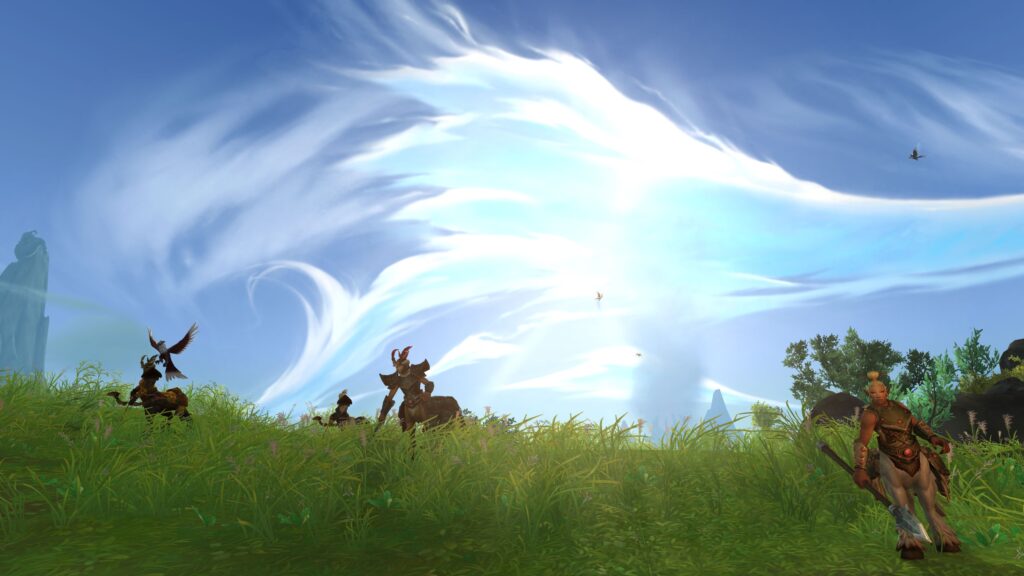
During these expansions, Blizzard introduced enhanced textures, revamped lighting systems, and improved character models. WoW’s visuals became more dynamic, with zones and environments looking more detailed than ever before. Players could now experience realistic shadows, atmospheric effects like fog and rain, and new visual effects for spells and abilities that brought combat to life in ways never seen before.
Key Features in Modern WoW
| Feature | Impact | Example |
|---|---|---|
| Character Model Revamp | Improved character details and animations for all races | Updated character models in Battle for Azeroth |
| Environmental Design | Richer textures and more detailed zone environments | Stormsong Valley’s lush landscapes |
| Spell Effects | More dynamic and flashy visual effects for spells | Arcane spells in the Mage’s arsenal |
Conclusion: WoW’s Lasting Legacy in Visual Design
WoW’s evolution in graphics is a testament to the game’s ability to adapt and evolve over time. What started as a simple, cartoony design has become a highly detailed and visually stunning world that continues to push the boundaries of what’s possible in an MMORPG. As technology advances, so too will WoW’s graphics, ensuring that Azeroth remains a captivating and immersive world for players to explore for years to come.
Home
Leave a Reply