

Few characters in Warcraft’s history evoke as much emotion as Arthas Menethil. His fall from noble prince to ruthless Lich King remains one of gaming’s greatest tragedies. His story is not just about power and corruption—it’s about loss, conviction, and the fragile line between heroism and damnation. Even years after his defeat, Arthas’s shadow lingers over Azeroth, shaping the stories that came after.
This article revisits the journey of Arthas Menethil—from paladin to tyrant to legend—and explores why his legacy endures long after his crown of ice has fallen.
The Noble Beginning
Arthas Menethil was born the golden son of Lordaeron—a prince destined to rule with honor. Trained by Uther the Lightbringer, he embodied the virtues of the Silver Hand: courage, compassion, and justice. His friendship with Jaina Proudmoore and mentorship under Uther defined his early years. But beneath his confidence lay impatience—a desire to protect his people at any cost. That flaw would become his undoing.
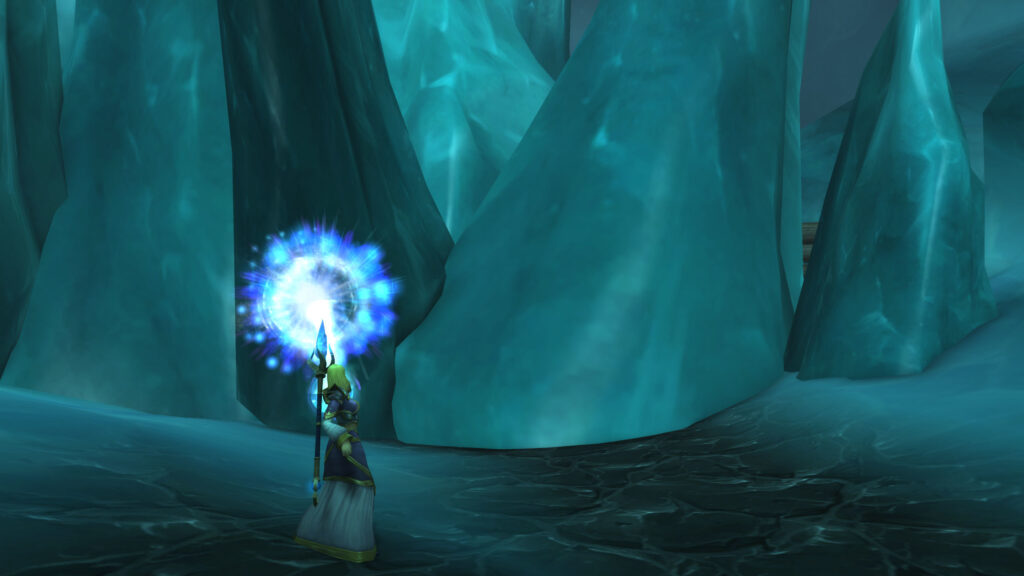
Arthas’s tragedy began not with darkness, but with devotion taken too far.
The Fall of Stratholme
When the plague of undeath reached Stratholme, Arthas made the decision that would define him forever. Believing there was no other choice, he ordered the culling of the infected city—slaughtering his own citizens to prevent their transformation. It was an act of desperation cloaked in duty. In that moment, Arthas believed he was saving his people. Instead, he damned himself to a path from which he could never return.
It was the moment when mercy and madness became indistinguishable.
The Blade That Broke His Soul
In Northrend, Arthas pursued vengeance against the dreadlord Mal’Ganis. There he found Frostmourne—a cursed blade promising the power to destroy his enemies. When he claimed it, he lost his soul. The weapon became his will, the whisper of Ner’zhul guiding him toward ruin. By the time Arthas returned home, he was no longer a prince. He was the instrument of the Scourge, the betrayer of kingdoms, the slayer of his own father.
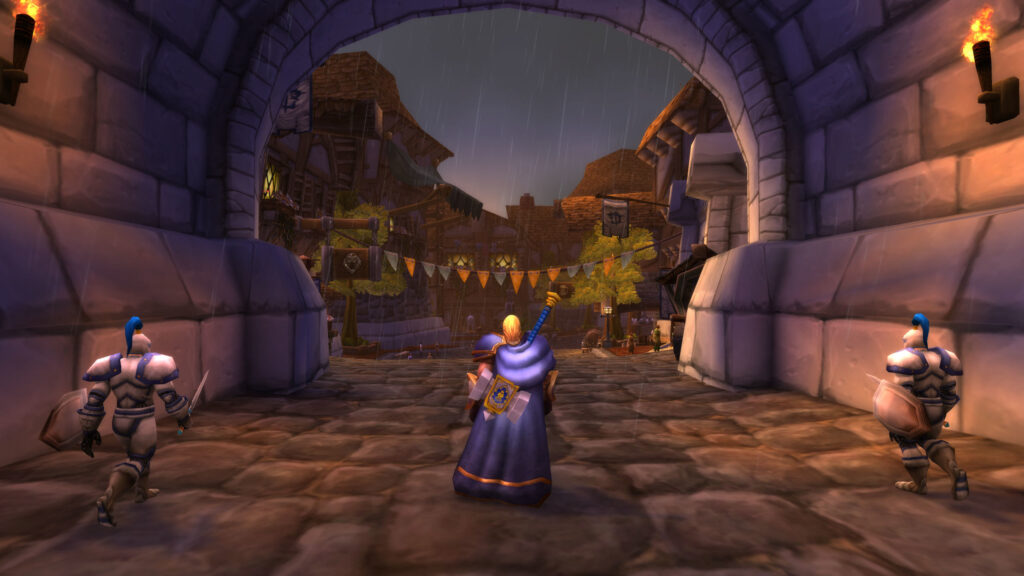
Frostmourne gave him victory—but stole everything that made him human.
The Rise of the Lich King
After merging with Ner’zhul’s spirit atop Icecrown, Arthas ascended as the new Lich King. His reign brought an era of dread. Under his command, the undead swept across Azeroth, extinguishing hope wherever it shone. Yet even in his cruelty, traces of the man he once was endured. Whispers of doubt, glimpses of regret—they haunted the cold halls of Icecrown Citadel. Arthas’s rule was not merely evil—it was lonely.
The king had won his war, but lost his soul forever.
| Stage | Event | Defining Trait | Emotional Theme |
|---|---|---|---|
| Prince of Lordaeron | Trains under Uther | Idealism | Hope and duty |
| Culling of Stratholme | Orders the purge | Fanaticism | Fear and conviction |
| Champion of Frostmourne | Claims the cursed blade | Obsession | Loss of self |
| Lich King | Unites with Ner’zhul | Domination | Isolation and regret |
| Defeat at Icecrown | Slain by Tirion Fordring | Realization | Redemption through acknowledgment |
Wrath of the Lich King: The Final Chapter
In the Wrath of the Lich King expansion, Arthas’s story reached its crescendo. Players stormed Icecrown Citadel, confronting the embodiment of fallen heroism. When the final blow fell, the once-great prince lay broken. “I see only darkness before me,” he whispered—a line that echoed through players’ hearts for years. Bolvar Fordragon took up the Helm of Domination to contain the Scourge, ensuring that the Lich King would never rise again.
It was not just an ending—it was a eulogy for a generation of players who had grown alongside him.
The Lingering Shadow
Even after his death, Arthas’s influence persisted. From Bolvar’s tortured stewardship to Anduin’s moral trials, his legacy shaped future heroes. The Shadowlands expansion revisited his memory one final time—not as a villain, but as a fragment of sorrow drifting toward peace. His end was quiet, but meaningful. Arthas was not redeemed through forgiveness, but through the understanding that even monsters begin as men.
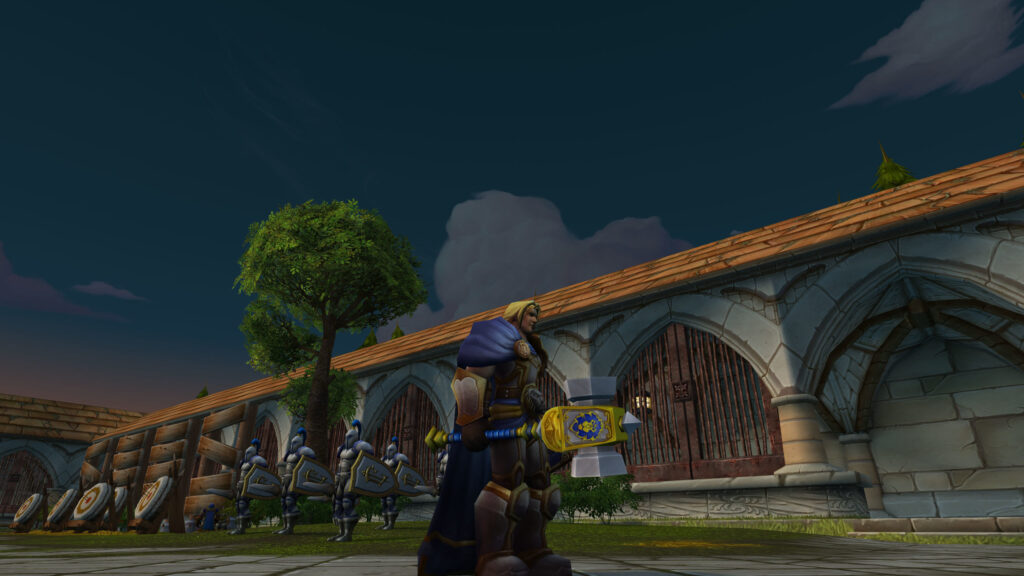
His story endures because it speaks to the fragility of good intentions.
The Eternal Legacy
Arthas Menethil’s story transcends expansions. It stands as a myth within the Warcraft universe—a timeless reminder that heroism and hubris are often the same thread, pulled in opposite directions. His tale remains both caution and elegy, reminding players that even the brightest light casts the darkest shadow. Through his fall, Azeroth learned what it means to be human.
Arthas may be gone, but the echo of his footsteps still haunts the frozen north—and the hearts of those who remember him.
Conclusion
The tragedy of Arthas Menethil endures because it is universal. It is the story of a man who tried too hard to be a hero, who sought control over chaos and became chaos itself. In his triumphs and failures, players see reflections of themselves—the struggle to do right, the temptation to go too far. His redemption was not salvation, but understanding. Arthas’s fall was not an end—it was a mirror, forever reflecting the price of ambition.
And in that reflection, the legend of the Lich King will never truly fade.
Leave a Reply