

The role of Warlocks in early MMORPG raids was often seen as both essential and burdensome, particularly regarding the farming of Soul Shards. This guide delves into the mechanics, strategies, and historical context of Warlocks as summoners in raids, focusing on the labor-intensive process of acquiring Soul Shards for large groups. Understanding this dynamic not only highlights the Warlock’s unique gameplay but also reveals the social and gameplay implications of their role in raid environments.
What Were the Key Specifications for Farming Soul Shards in Raids?
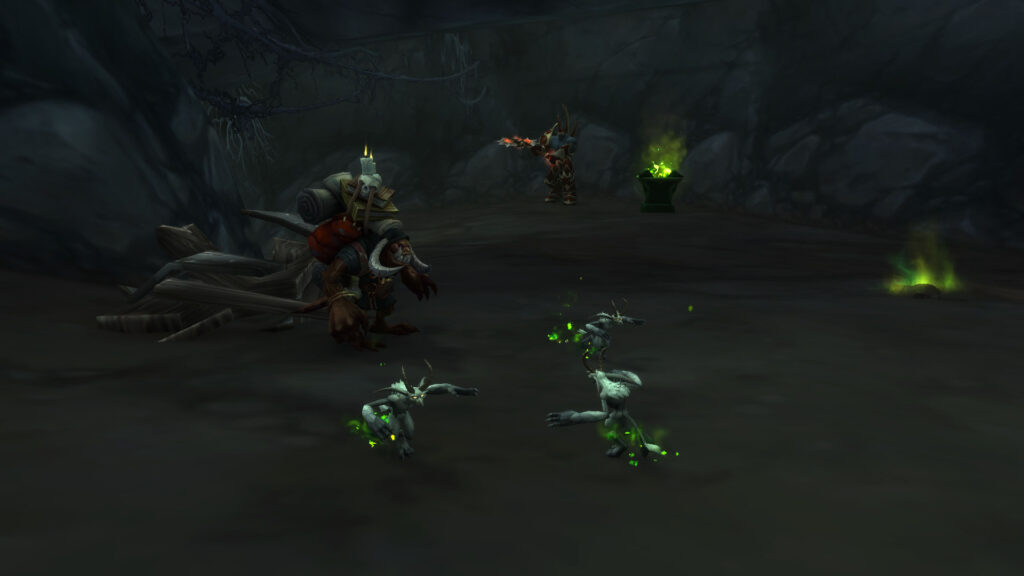
The primary specifications for farming Soul Shards involved the number of Warlocks, the shard drop rates, and the efficiency of farming methods.
Farming Soul Shards was a critical aspect of raid preparation, especially in the early days of MMORPGs. The following table outlines the essential metrics that defined the efficiency and effectiveness of Soul Shard farming for raids involving up to forty players.
| Number of Warlocks | Average Shards per Hour | Shard Drop Rate (%) | Farming Method |
|---|---|---|---|
| 1 | 20 | 15 | Solo Grinding |
| 2 | 35 | 25 | Group Farming |
| 3 | 50 | 30 | Raid Farming |
How Did Warlocks Manage Soul Shard Farming in Raids?
Warlocks managed Soul Shard farming through a combination of efficient grinding techniques and strategic group coordination.
The core challenge for Warlocks was to maintain a steady supply of Soul Shards while also fulfilling their roles in raids. With the demand for shards increasing as raid sizes grew, Warlocks often found themselves in a position where they had to balance their time between farming and participating in raids. This dual responsibility created a unique dynamic, as the success of a raid often hinged on the Warlock’s ability to summon additional players or pets using their Soul Shards.
Mechanically, Soul Shards were obtained from defeating specific enemies, with drop rates varying based on the type of creature and the Warlock’s level. For instance, certain demons yielded higher drop rates, making them prime targets for farming sessions. Additionally, the use of abilities like “Soul Harvest” allowed Warlocks to convert their health into shards, providing a self-sustaining method of shard generation. However, this approach required careful management of health and resources, as overextending could lead to a Warlock’s demise.
In practice, Warlocks often organized farming parties to maximize efficiency. By grouping with other Warlocks or classes that could control crowds, they could clear areas quickly, ensuring a steady flow of Soul Shards. Furthermore, communication was key; Warlocks would often coordinate their efforts to ensure that shards were distributed fairly among the group, preventing any one player from monopolizing the resources.
What Steps Should Warlocks Follow for Efficient Soul Shard Farming?
Warlocks should follow a structured approach to maximize their Soul Shard farming efficiency, ensuring they are raid-ready at all times.
To effectively farm Soul Shards, Warlocks should implement a series of strategic steps. First, identifying optimal farming locations is crucial; areas with high-density mobs that drop shards should be prioritized. Secondly, forming a dedicated farming group can significantly increase the rate of shard acquisition, as multiple Warlocks can share the workload and ensure a continuous supply. Third, utilizing cooldowns and abilities strategically can enhance farming efficiency, allowing for quicker mob kills and shard drops. Lastly, maintaining a healthy stock of health potions and mana potions is essential for sustained farming sessions, as these resources can mitigate downtime.
- Identify high-density mob areas for optimal farming.
- Form a dedicated group of Warlocks for efficient shard collection.
- Utilize cooldowns and abilities to maximize damage output.
- Stock up on health and mana potions to sustain longer farming sessions.
What Are the Best Practices for Warlocks in Raid Summoning?
Best practices for Warlocks in raid summoning include effective communication, shard management, and strategic positioning.
Warlocks play a pivotal role in raid summoning, and adhering to best practices can enhance their effectiveness. Effective communication with raid leaders and team members is essential to ensure that everyone understands the shard requirements for summoning additional players or pets. Furthermore, managing Soul Shard inventory is critical; Warlocks should always aim to have a surplus of shards before entering a raid, as this prevents delays and ensures smooth operations during critical moments.
Strategic positioning during raids also plays a significant role in a Warlock’s effectiveness. By positioning themselves near the front lines, Warlocks can quickly respond to summons and provide support where needed. Additionally, utilizing crowd control abilities can help manage enemy mobs, allowing the raid to focus on primary targets without being overwhelmed. Finally, Warlocks should remain adaptable, ready to shift their focus between damage dealing and summoning as the raid dynamics change.
What Challenges Do Warlocks Face When Farming Soul Shards?
Warlocks face several challenges when farming Soul Shards, including competition for resources, mob mechanics, and group dynamics.
One of the primary challenges Warlocks encounter is competition for resources, particularly in popular farming zones. High player traffic can lead to contested mobs, making it difficult for Warlocks to secure the necessary Soul Shards. Additionally, certain mobs may have mechanics that complicate farming, such as high damage output or crowd control abilities that can incapacitate Warlocks during farming sessions. These factors necessitate a strategic approach to farming, where Warlocks must be aware of their surroundings and adapt their tactics accordingly.
Moreover, group dynamics can also pose challenges. While farming in groups can increase efficiency, it can also lead to conflicts over shard distribution and loot. Clear communication and established rules for shard sharing are essential to mitigate these issues. Warlocks should also be prepared for the possibility of needing to switch roles mid-farm, as the demands of the raid may require them to prioritize summoning over farming at times. Understanding these challenges and preparing accordingly can significantly enhance a Warlock’s effectiveness in both farming and raid scenarios.
What Are the Future Trends for Warlocks in Raid Summoning?

Future trends for Warlocks in raid summoning may include changes in gameplay mechanics, enhanced abilities, and evolving raid dynamics.
As MMORPGs continue to evolve, the role of Warlocks in raid summoning is likely to undergo significant changes. Developers may introduce new mechanics that streamline the Soul Shard farming process, reducing the burden on Warlocks and allowing them to focus more on their primary roles during raids. Additionally, enhancements to Warlock abilities could provide new ways to generate or utilize Soul Shards, further integrating them into the raid framework.
Furthermore, the dynamics of raids themselves are likely to shift as player expectations and gameplay styles evolve. Future raids may require more collaborative strategies, where Warlocks work closely with other classes to optimize their contributions. This could lead to the development of hybrid roles, where Warlocks not only summon but also provide critical support through crowd control and damage mitigation. Embracing these trends will be essential for Warlocks to remain relevant and effective in the ever-changing landscape of MMORPGs.
Leave a Reply